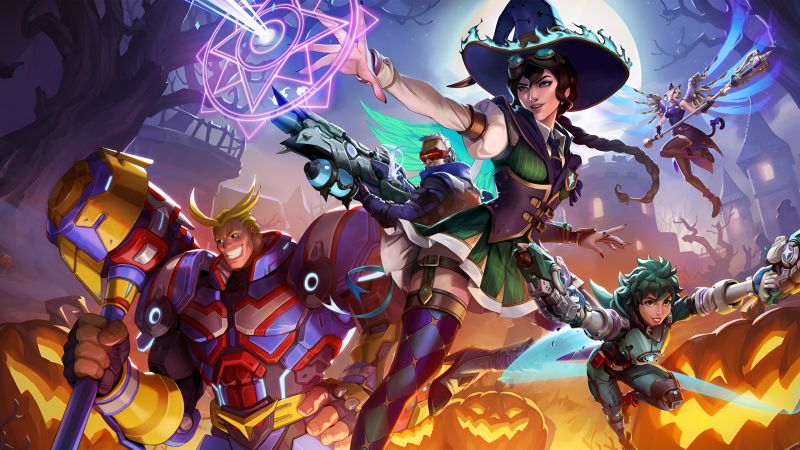
Games live or die by how deeply players connect with their worlds. When dialogue feels off—whether through awkward phrasing, unnatural accents, or voices that pull you out of the moment—players disengage quickly. High-quality voice-over localization changes that equation. It turns a functional experience into an emotionally resonant one, encouraging longer play sessions, stronger character attachments, and better long-term retention.
Industry observations consistently show that audio plays a outsized role in immersion compared to visuals alone. Familiar, natural-sounding voices reduce cognitive load, letting players focus on story and gameplay rather than deciphering delivery. One analysis of sound in gaming noted that when audio feels authentic to a player's linguistic and cultural expectations, presence increases and churn decreases. Poor localization, by contrast, creates immediate friction. Players report feeling "out of the game" when accents sound forced or timing feels loose, directly hitting early retention metrics that are already challenging—typical Day 1 retention for mobile games hovers around 35-40%, and it drops sharply afterward.
Why Voice-Over Matters for Player Stickiness
Voice acting isn't cosmetic. It carries personality, emotion, and cultural nuance that text alone rarely matches. In narrative-driven titles, strong localized dubs help players form genuine bonds with characters, turning one-off sessions into habitual play. Studios have seen measurable lifts: culturally attuned audio and localization testing have correlated with up to 30% higher retention in non-English markets in certain releases.
Take Genshin Impact as a reference point. Its multiple language voice tracks, recorded with attention to regional delivery, allow players to choose the dub that feels most natural to them. Community feedback often highlights how authentic performances deepen emotional moments and support replayability. Similarly, The Witcher 3 earned praise across markets partly because its voice actors captured the gruff, world-weary tone of characters in ways that respected local linguistic rhythms.
These aren't isolated wins. Broader patterns from localization efforts show that when players hear their language spoken with proper emotional weight and idiomatic flair, they understand jokes, stakes, and relationships more intuitively. The result is higher engagement and fewer early exits.
Addressing the Common Pain Points
Three issues frequently undermine voice-over efforts in game localization:
The immersion-breaking accent problem: Non-native or poorly cast voices create instant "uncanny valley" moments. Players in target markets notice when intonation or rhythm doesn't match natural speech patterns, pulling them out of the experience.
Budget constraints for multilingual production: Full human recording across many languages quickly becomes expensive. Studio time, actor fees, and revisions add up, especially for smaller teams or titles targeting numerous regions.
Timing and sync mismatches: Translated lines rarely match the original script's length. Longer phrasing in some languages causes dialogue to overrun animations or cut off early, breaking lip sync and visual flow.
These challenges are real, but they're manageable with the right approach—blending smart translation, experienced direction, and selective use of technology.
Practical Techniques for Character Localization Voice-Over
Effective game character dubbing starts with more than literal translation. Scripts need adaptation that preserves intent, humor, and emotional beats while fitting performance timing. Native linguists who understand both source material and target culture make the difference between flat delivery and memorable lines.
Script translation and adaptation tips:
Provide detailed character briefs (age, personality, relationships, emotional arcs) so translators and actors grasp subtext.
Flag lines where timing is critical—action cues, quick banter, or lip-synced cutscenes—and prioritize concise, natural equivalents.
Adapt cultural references thoughtfully. A joke that lands in one market might confuse or offend in another; finding equivalent humor keeps tone intact without forced explanations.
Recording guidance for better results:
Share reference clips of the original performance and any key animations early. Actors perform better when they see the emotional context and mouth movements.
Use time-stamped feedback in reviews. Instead of "make it more intense," directors say things like "hold the hesitation on this line like you're second-guessing a risky alliance."
For remote sessions with international talent, virtual table reads help performers bounce off each other even across time zones. Tools that maintain high audio quality minimize technical friction.
Tackling sync issues: Experienced teams adjust phrasing during adaptation to better match original durations. In cases where perfect lip sync isn't feasible (common across languages with different syllable structures), they prioritize phrase-level timing or work with animation teams for minor adjustments. Post-production tweaks—such as subtle pacing edits or selective re-recording—help maintain flow without overhauling visuals.
AI Voice vs. Human Voice-Over: Finding the Right Balance
Cost remains a major consideration. Human recording for multiple languages involves actor sessions, studio fees, and iterative direction—costs that can run significantly higher per minute than AI generation. Reports indicate AI dubbing can cut localization expenses by 60-86% for certain content volumes, offering speed and scalability that helps smaller studios reach more markets.
Yet quality gaps persist. Human actors deliver micro-variations in emotion, breath, and personality that current AI often flattens, especially in longer narrative sequences or high-stakes scenes. AI works well for placeholder audio, non-critical NPCs, or rapid prototyping. Many teams now use a hybrid model: AI for initial drafts or less prominent lines, with human talent handling lead characters where emotional authenticity drives retention.
The most successful projects treat AI as a tool, not a full replacement. Native oversight ensures accents stay pure, tone matches cultural expectations, and performances feel lived-in rather than generated.
The Value of Multilingual Voice Directors and Remote Guidance
A skilled dubbing director familiar with multiple languages prevents many common pitfalls. They catch when a translated line loses its punch, coach actors on nuanced delivery, and maintain consistency across a project's voice cast. Their presence becomes especially important when working with talent in different countries.
Remote directing has become standard. Best practices include:
Preparing actors with video references and character notes well in advance.
Running focused, efficient sessions with clear, actionable direction.
Building in quick iteration loops using shared cloud platforms and time-coded notes.
This approach keeps costs down compared to international travel while still delivering directed, cohesive performances.
Making Voice-Over Work Within Budget
Start by prioritizing: focus highest-quality human dubs on main characters and key story moments that drive emotional investment. Use AI or lighter localization for ambient dialogue or secondary content. Build flexibility into scripts early by noting timing constraints. Partner with teams that combine deep linguistic expertise with technical audio know-how—this reduces expensive re-recording rounds later.
Testing localized builds with target audience groups reveals sync or accent issues before full release, protecting retention numbers.
Quality voice-over localization isn't a luxury add-on. It's a retention driver that helps games cross cultural boundaries and keep players coming back. When voices feel right, players invest more deeply in the world and its inhabitants.
At Artlangs Translation, we've supported game developers, short drama producers, and audio content creators for over 20 years with localization into 230+ languages. Our network of more than 20,000 professional collaborators includes experienced voice talents, directors, and linguists who specialize in game localization, video dubbing, short drama subtitling and voicing, as well as multilingual audiobooks and data annotation/transcription. Whether you're balancing AI efficiency with human authenticity or need precise remote guidance for international casts, our focused expertise in translation services, video localization, and game audio helps deliver performances that resonate—and keep players engaged.